Virtual Influencers

Robert W. Gehl

Don't hesitate to ask questions, or stop me at any point!

Question: what is this? (Note I’m using “what” not “who” because I’m interested in the type of entity Miquela is)

Block and Lovegrove: “Influencers are defined as agents with the power to ‘spread information’ and influence through and across microblogging networks and platforms, such as Instagram, Facebook or Twitter” (p. 269)

Miquela is a virtual influencer. What is that?

Gorillaz, a cartoon/virtual band
A still image of a vlog from LonelyGirl15
LonelyGirl15, one of the first big YouTube stars (2006-2008)

How does this relate to PR in social media?

Why use a virtual character and not a real person?

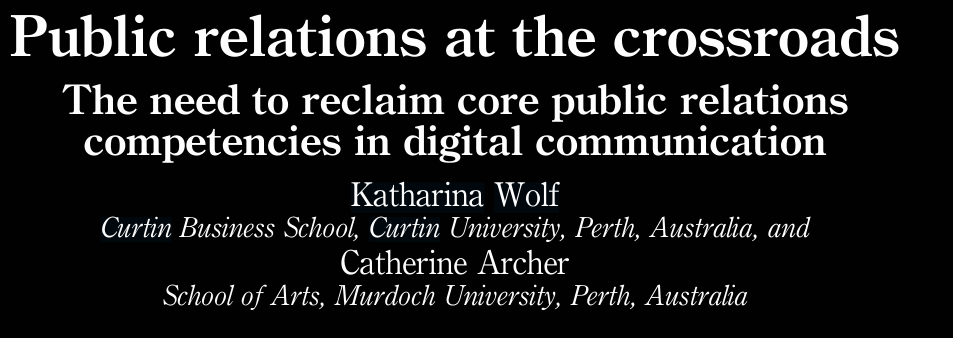
A screenshot of Wolf and Archer's article 'Public Relations at the Crossroads'
Wolf and Archer, 2018
A screenshot of Wolf and Archer's article 'Public Relations at the Crossroads'
Wolf and Archer, 2018

“As noted in earlier studies (see e.g. Charest et al., 2016), the desire to maintain full message control appears to be a key factor when considering interactivity across locations, followed by resource considerations.” (Wolf and Archer, 2018, p. 500)

A screenshot of Wolf and Archer's article 'Public Relations at the Crossroads'
Wolf and Archer, 2018

This includes the relationship between organizations and influencers.

The poster for the 2018 movie Late Night, staring Thompson and Kaling
Late Night, 2018

There's a scene in this movie where Katherine (the late night host) is interviewing a YouTube influencer. The influencer berates Katherine: you need me. I don't need you.

A screenshot of We Are Social, an influencer marketing agency
We Are Social's homepage
A screenshot of Dapper, an NFT company
Dapper, an NFT company
A screenshot of Wolf and Archer's article 'Public Relations at the Crossroads'
Wolf and Archer, 2018

“As noted in earlier studies (see e.g. Charest et al., 2016), the desire to maintain full message control appears to be a key factor when considering interactivity across locations, followed by resource considerations.” (Wolf and Archer, 2018, p. 500)

How do we make sense of influencers, both real and virtual?

Block and Lovegrove: “Strategic communication disciplines, aim to be fact-based. As our research demonstrates, Miquela and her CGI peers are not facts but are not fake either. Miquela has been represented by media commentators as ‘honest fakery'”

What's our definition of communication?

the cover of James W Carey's book Communication as Culture

“Communication is a symbolic process whereby reality is produced, maintained, repaired, and transformed.”

So, how might "honest fakery" interact with this definition of communication?

What implications does this have for PR (strategic communication to publics who have agency)?

And we haven't even considered generative AI yet!

What is the difference between a virtual influencer Miquela and contemporary generative AI?

What sorts of benefits could you see for fusing a virtual influencer with generative AI? What sorts of downsides can you see?

the homepage of Character.ai
  • Automated
  • Can remember previous chats
  • Adapt to users

Content warning: suicide mention

A screenshot of a New York Times story about a kid who committed suicide
New York Times, 2024
A screenshot of a New York Times story about a kid who committed suicide
New York Times, 2024

"Sewell knew that 'Dany,' as he called the chatbot, wasn’t a real person — that its responses were just the outputs of an A.I. language model, that there was no human on the other side of the screen typing back. (And if he ever forgot, there was the message displayed above all their chats, reminding him that 'everything Characters say is made up!')"

Virtual Influencers

Robert W. Gehl